
Users, Unfriendly

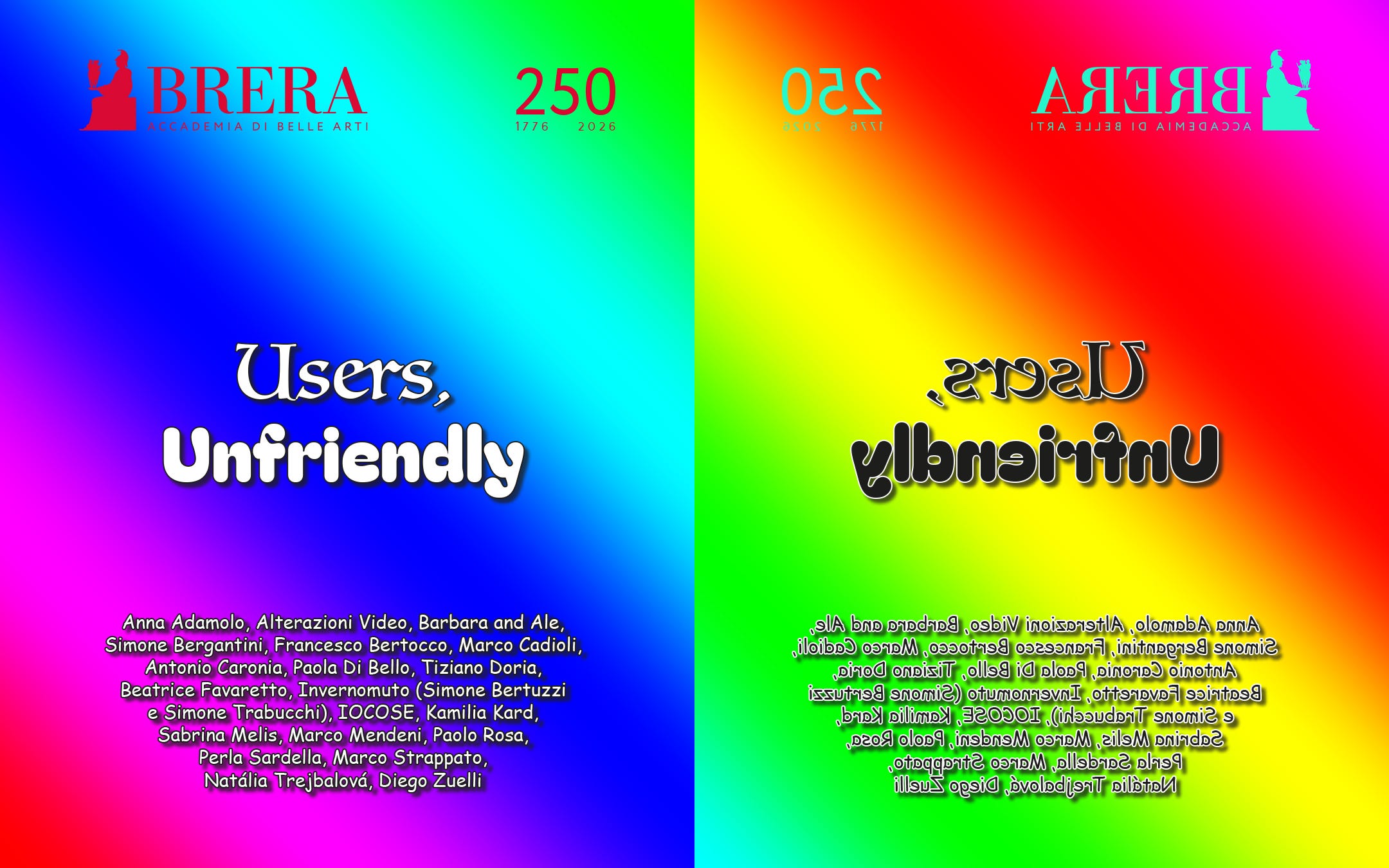
⊹₊˚‧︵‿₊୨ᰔ୧₊‿︵‧˚₊⊹ At the end of a long and busy academic year, I finally managed - thanks to the encouragement, pressure, and support of a bunch of friends and colleagues - to curate another exhibition. It is, above all, an act of love for the institution where I’ve been working, celebrating its 250th anniversary.
The exhibition is called Users, Unfriendly, and I’m writing about it in English in the hope that it might catch the attention of non-Italian visitors who happen to be in Milan before the end of August. Italian readers can read the press release and download the exhibition catalogue, which is also available free of charge as a tabloid publication at the exhibition.
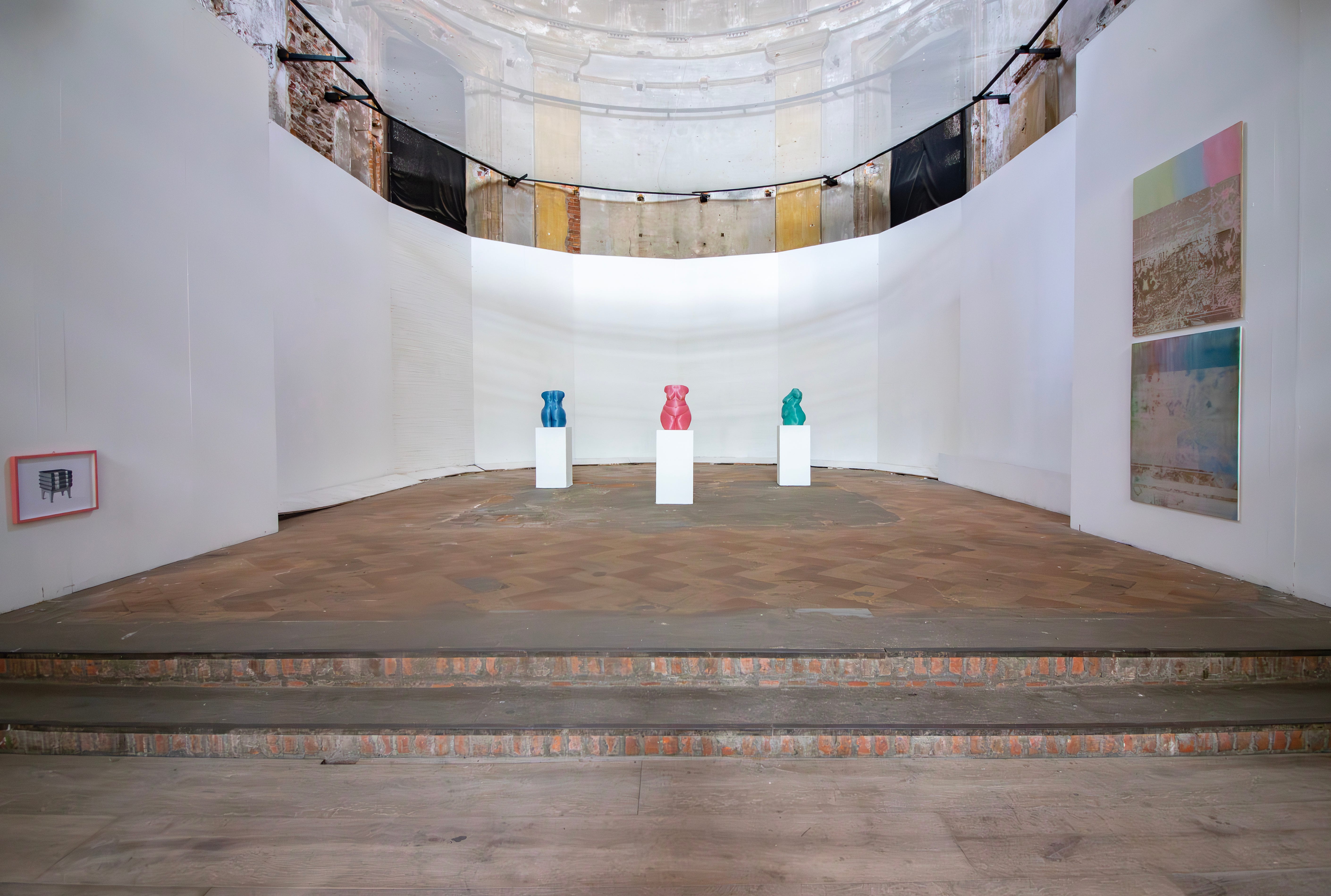
°❀⋆.ೃ࿔*:・°❀⋆.ೃ࿔*:・ Users, Unfriendly looks back at a programme - Nuove Tecnologie dell’Arte - that, throughout its relatively short history, has shown an extraordinary ability to welcome and nurture artists whose practice is rooted in design while reaching out towards language, meaning, and form.
At a pivotal moment marked by a move to a new campus, the renewal of the curriculum, and the introduction of a new programme in Film, Photography, and Audiovisual Media, the exhibition seeks to reconnect with the origins of the school and the thinking of its founders. It looks back not out of nostalgia, but in search of the ideas that can help us chart our course ahead and communicate - first and foremost to our students, for whom this project is intended - the kind of education we believe in, and that, despite countless difficulties and not always successfully, we continue to build every day.
The exhibition’s title refers to the expression user-friendly - a term that has become fully naturalised in Italian as well as English to describe technologies designed to be intuitive and easy to use. Users, Unfriendly reverses its meaning. The artists featured in the exhibition are indeed users of digital technologies, but they are also critical and deliberately unfriendly users. Rather than accepting technological devices on their own terms, they question them, push them beyond their intended functions, and expose their hidden mechanisms, developing an autonomous visual language instead of submitting to the one prescribed by technology.
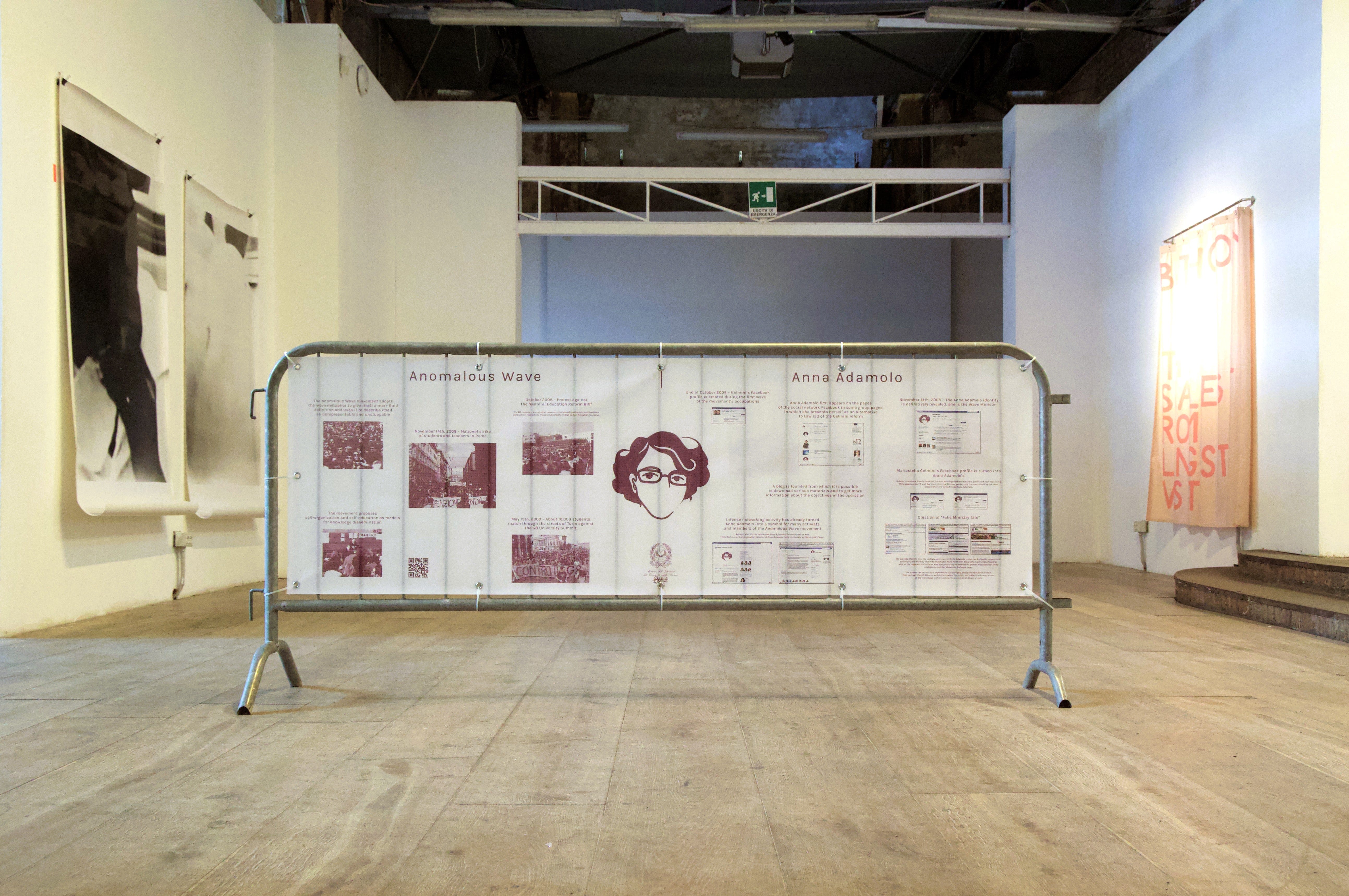
ﮩ٨ـﮩﮩ٨ـ♡ﮩ٨ـﮩﮩ٨ـ Bringing together the work of twenty artists and collectives, the exhibition highlights the role played over the past twenty-five years by the School of New Technologies for the Arts as an active force within contemporary Italian art and culture. Participants include: Anna Adamolo, Alterazioni Video, Barbara and Ale, Simone Bergantini, Francesco Bertocco, Marco Cadioli, Antonio Caronia, Paola Di Bello, Tiziano Doria, Beatrice Favaretto, Invernomuto (Simone Bertuzzi e Simone Trabucchi), IOCOSE, Kamilia Kard, Sabrina Melis, Marco Mendeni, Paolo Rosa, Perla Sardella, Marco Strappato, Natália Trejbalová, Diego Zuelli.
The participating artists have been connected to the School in different ways and to different degrees: some have maintained long-term relationships, others passed through more briefly; some as students, others as faculty members, and several in both capacities. Some laid its cultural and institutional foundations, while others contributed to shaping its identity and carrying its concerns into the broader contemporary debate.
For this reason, both the exhibition and its accompanying publication devote particular attention to two figures who passed away far too early and who, from very different perspectives, helped the School take its first steps: Paolo Rosa (1949–2013), artist, filmmaker and founding member of Studio Azzurro, who liked to describe the School as a habitat; and Antonio Caronia (1944–2013), scholar of radical science fiction, media theorist, philosopher of the cyborg, and activist, who imagined it as a site of semiotic guerrilla warfare.
Founded in the late 1990s as a natural extension of the Academy’s longstanding inclination to expand its practices and outlook towards the emerging languages of contemporary art, the School of Nuove Tecnologie dell’Arte became fully integrated into the institution while rejecting both the uncritical celebration of technological media and the subordinate role of a service department. Since then, it has continued to evolve, acting as a critical observer of the accelerated development of the complex entanglement of infrastructures, regulations, and devices that we still refer to as “new technologies.”
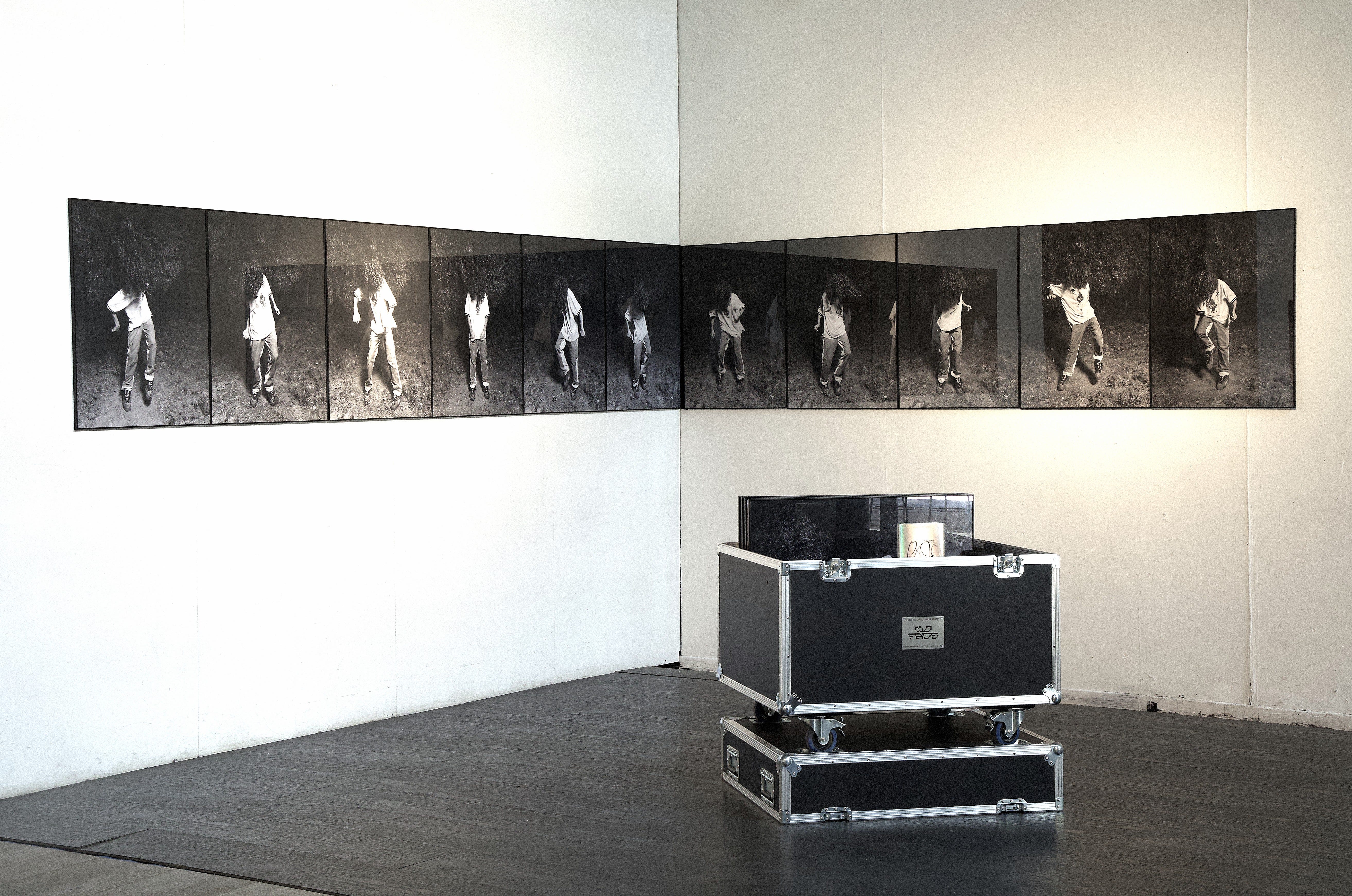
.𖥔 ݁ ˖𓂃.☘︎ ݁˖ Rather than telling the history of the School, the exhibition adopts it as a privileged vantage point from which to look back at the past twenty-five years, using its network of relationships to investigate the evolving relationship between art and technological media. Its title playfully subverts the expression user-friendly, which encapsulates the drive towards usability that has characterised digital technologies. Often presented as a democratising force, usability has also turned technological media into black boxes - opaque systems that determine and constrain what we are able to do with them, as Vilém Flusser famously observed in relation to photography.
In this sense, the exhibition traces the ways in which contemporary visual art has responded to the spread of digital technologies: by using them (users), while at the same time cultivating a critical, self-aware, and constitutionally unfriendly approach capable of dismantling their dominant narratives. Whether working with video or photography, 3D modelling or CGI animation, networked communication or multimedia installation, the artists in the exhibition consistently enact forms of resistant media practice. They challenge the functionalism and mythologies embedded in technological systems, and in doing so reclaim a decisive autonomy of artistic language.
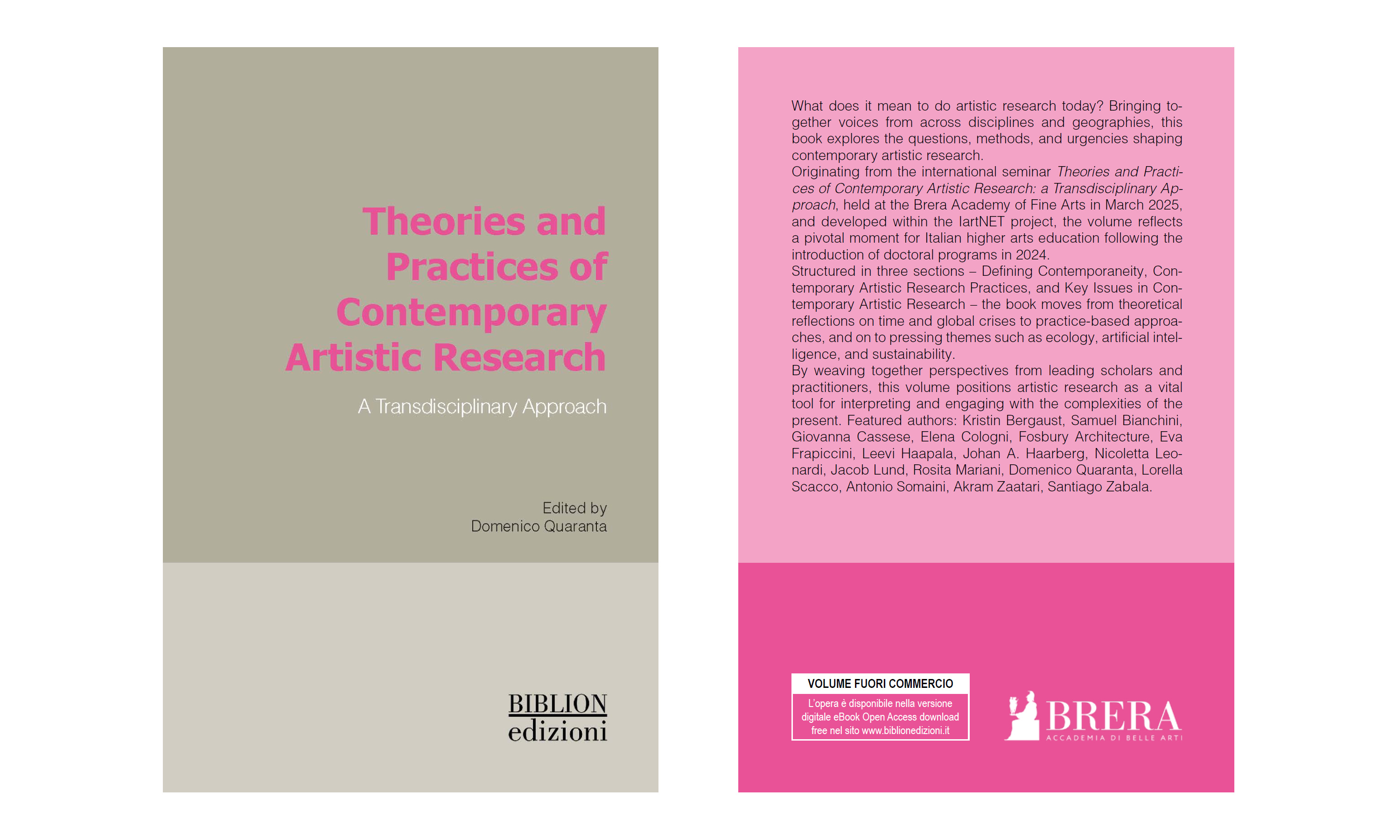
(˶˃ ᵕ ˂˶) .ᐟ.ᐟ The early summer has also seen the publication of the book Theories and Practices of Contemporary Artistic Research, an open access publication originating from the international seminar with the same name, held at the Brera Academy of Fine Arts in March 2025. Bringing together voices from across disciplines and geographies, this book explores the questions, methods, and urgencies shaping contemporary artistic research.
Structured in three sections – Defining Contemporaneity, Contemporary Artistic Research Practices, and Key Issues in Contemporary Artistic Research – the book moves from theoretical reflections on time and global crises to practice-based approaches, and on to pressing themes such as ecology, artificial intelligence, and sustainability.
By weaving together perspectives from leading scholars and practitioners, this volume positions artistic research as a vital tool for interpreting and engaging with the complexities of the present. Featured authors: Kristin Bergaust, Samuel Bianchini, Giovanna Cassese, Elena Cologni, Fosbury Architecture, Eva Frapiccini, Leevi Haapala, Johan A. Haarberg, Nicoletta Leonardi, Jacob Lund, Rosita Mariani, Domenico Quaranta, Lorella Scacco, Antonio Somaini, Akram Zaatari, Santiago Zabala.